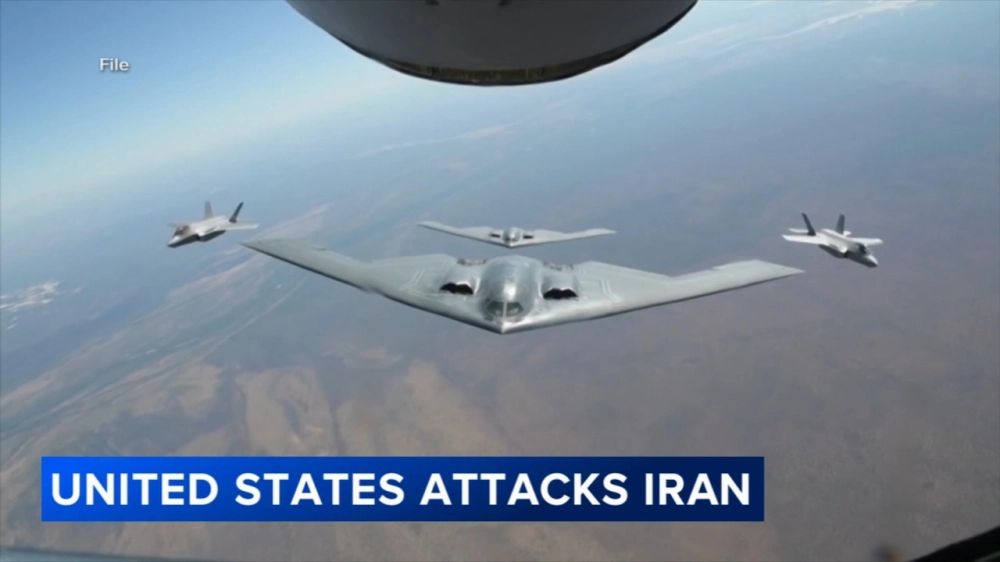
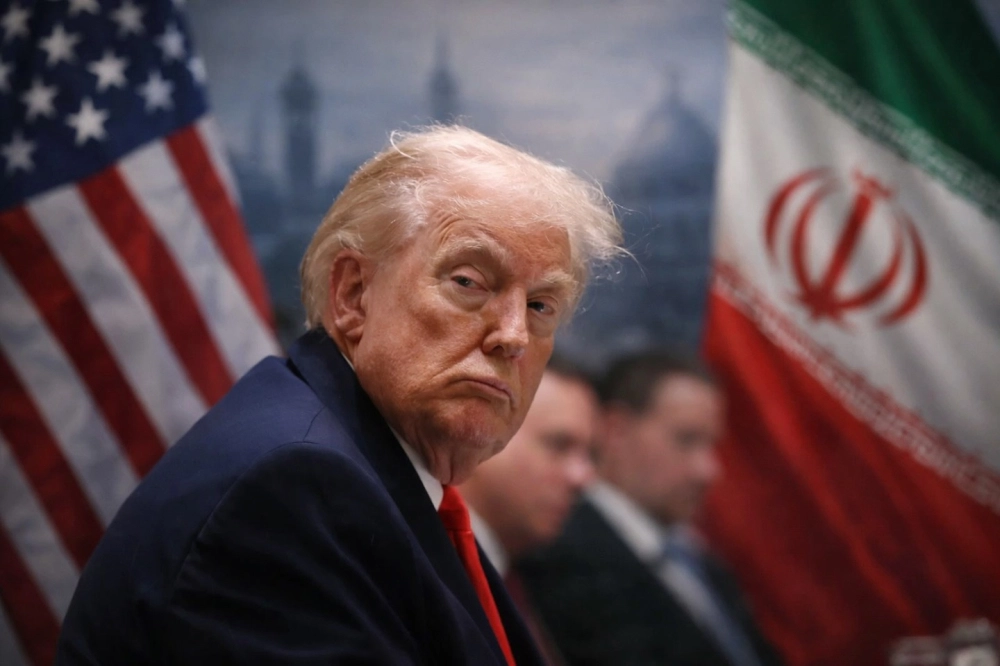
Iran US peace talks dominated global headlines on Monday, March 23, 2026. President Trump stunned the world with a dramatic announcement. He claimed both nations had been holding serious diplomatic conversations. Moreover, he paused all military strikes against Iran for five days. However, Tehran rejected every word of it. As a result, the world is now watching one of the most confusing diplomatic moments in modern history.
Iran US Peace Talks: What Trump Actually Said
Trump posted on Truth Social early Monday. He wrote entirely in capital letters. In his post, he claimed both countries held “very good and productive conversations.” Furthermore, he said the goal was a “complete and total resolution” of all hostilities.
He then took immediate action. Trump ordered the Department of War to pause all planned strikes on Iranian power plants. In addition, he extended this pause to all energy infrastructure. The ceasefire window lasts exactly five days.
Subsequently, Trump spoke to reporters at a Florida airport. He claimed Iran made the first move. “They called, I didn’t call,” he said firmly. He added that Iran is ready to make a deal. However, his main condition remains non-negotiable — Iran must give up nuclear weapons. For more context, read the full Trump Truth Social statement here and the latest coverage on Reuters Middle East.
Tehran’s Flat Denial of Iran US Peace Negotiations
Iran responded swiftly and forcefully. Iran’s Foreign Ministry rejected Trump’s claims entirely. According to their statement, no dialogue had taken place whatsoever. In fact, they accused Trump of fabricating the story to calm panicking oil markets.
Iran’s parliament speaker also pushed back hard. Mohammad Bagher Ghalibaf posted directly on social media. He called the reports “fakenews.” Additionally, he accused the U.S. of deliberately manipulating global financial markets. For reference, you can read Iran’s official response on Al Jazeera’s live blog.
Consequently, both sides are now telling completely opposite stories. The contradiction could not be sharper.
Behind the Scenes of the Iran US Peace Talks
Despite the public denials, some form of back-channel communication does appear to be underway. However, it looks very different from what Trump described.
According to sources, Egypt, Pakistan, and Turkey have all been passing messages between Washington and Tehran. These three countries are acting as critical middlemen. Furthermore, a direct call between Trump’s team and senior Iranian officials may be imminent.
An Israeli official confirmed additional details. Specifically, U.S. envoys Steve Witkoff and Jared Kushner made contact with Iran’s parliament speaker. Meanwhile, Trump admitted his team had spoken with a senior Iranian leader. Nevertheless, he refused to name the individual — saying publicly he feared for that person’s safety.
Also read: The Iran War, Three Weeks In : What We Know, What We Don’t, and What Comes Next
The Economic Crisis Behind Iran US Peace Negotiations
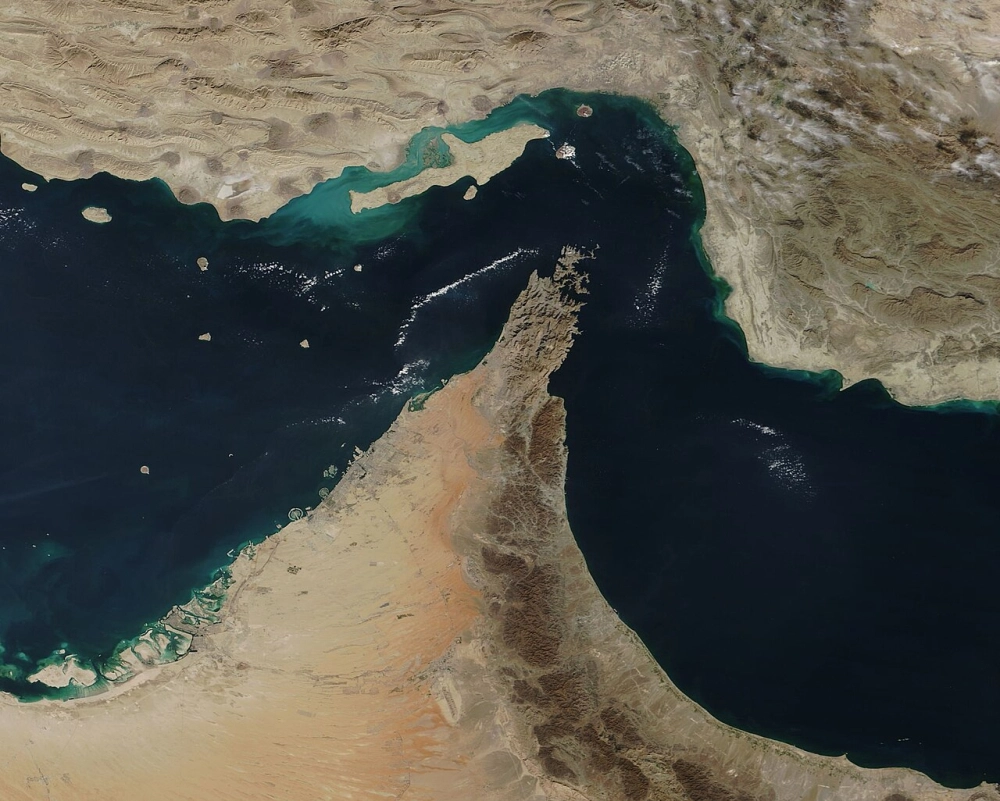
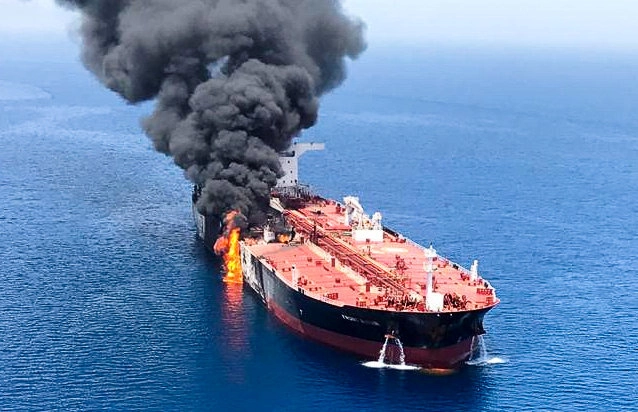
Beyond the diplomacy, this conflict has become a full-blown global economic emergency. Shipping traffic through the Strait of Hormuz has almost completely stopped. The crisis began when the U.S. and Israel launched airstrikes on Iran on February 28. In retaliation, Iran began targeting commercial ships attempting to pass through the strait.
As a result, the IEA chief issued an alarming warning on Monday. He stated the global economy now faces a “major, major threat.” Moreover, he compared the disruption to the combined oil crises of 1973 and 1979 — a truly historic comparison.
Financial markets reacted almost instantly to Trump’s ceasefire announcement. Brent crude dropped sharply from $114 to around $100 a barrel. That dramatic fall happened within minutes of the post going live.
Also read: The Iran War, Three Weeks In : What We Know, What We Don’t, and What Comes Next
How Israel and Europe View the Iran US Peace Talks
Trump expressed confidence that Israel would welcome a deal. “This will be peace for Israel,” he told reporters directly. In addition, Vice President Vance called Prime Minister Netanyahu on Monday morning specifically to discuss the ongoing Iran US peace talks. Together, they reviewed what a final agreement might realistically include.
Germany also quietly welcomed the ceasefire pause. Chancellor Friedrich Merz publicly said he was “grateful” to Trump. He revealed he had personally called Trump the previous day to urge him to delay the strikes on Iranian power plants. Consequently, European leaders now appear cautiously optimistic about the talks.
What Comes Next in the Iran US Peace Negotiations
The five-day window is extremely narrow. Therefore, Trump’s team is working around the clock to identify the right Iranian contact for formal negotiations. Similarly, they are searching for a trusted international mediator. At present, Qatar is the frontrunner for that role. Previously, Oman served this function in past nuclear talks.
One senior analyst offered a measured assessment. “Trump’s deadlines tend to be elastic,” he noted carefully. Ultimately, a historic deal may be close — or this pause may simply delay the next major escalation.
Also read: The Iran War, Three Weeks In : What We Know, What We Don’t, and What Comes Next
Bottom Line
The Iran US peace talks of March 2026 are real — but remain deeply fragile. On one hand, Trump says significant progress is happening. On the other hand, Iran says nothing is happening at all. Meanwhile, oil markets are clearly siding with Trump. Nevertheless, diplomats around the world are watching every development with extreme caution. The world now has five days to find out who is telling the truth.