The Situation Right Now
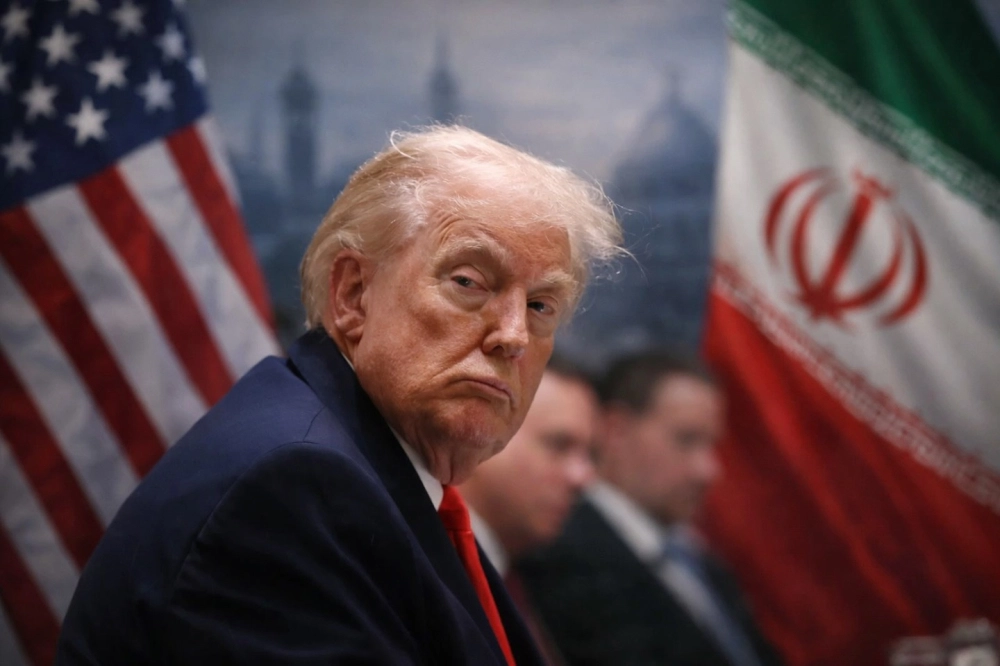
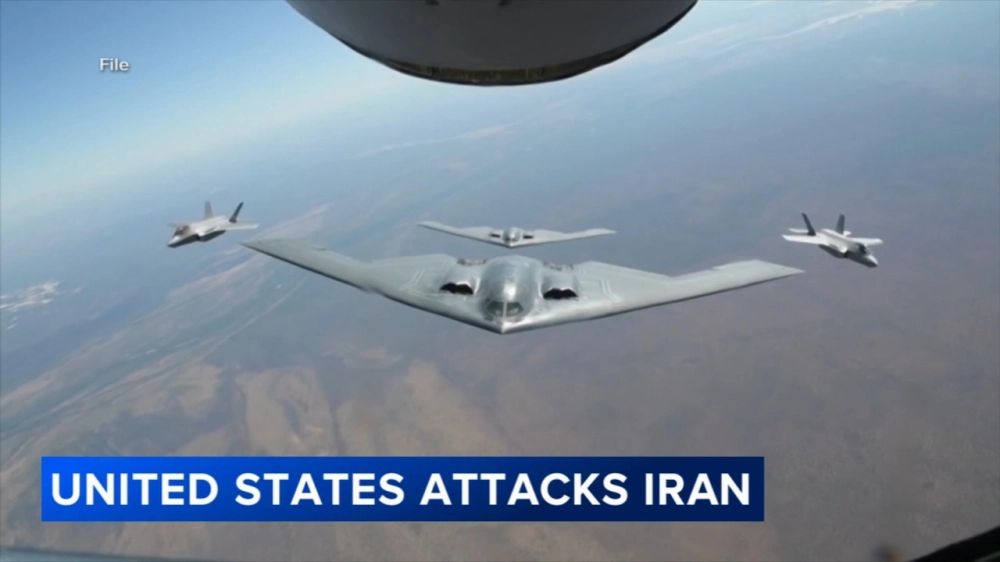
The United States and Iran are standing at the edge of renewed war. President Donald Trump was reportedly just one hour away from ordering a massive new wave of airstrikes against Iran on Monday, May 19 before abruptly calling it off on social media. But the window for diplomacy is closing fast. Here is everything you need to know about whether a new US attack on Iran is coming this weekend.
What Happened: Trump Called Off the Strike For Now
On Monday, May 19, 2026, Trump announced on Truth Social:
“We will NOT be doing the scheduled attack of Iran tomorrow.”
He later told reporters at the White House that he had been prepared to launch “a very major attack” but paused it in his own words “for a little while, hopefully, maybe forever.”
The decision came after leaders from three Gulf nations personally asked Trump to give peace negotiations more time. Trump said he held back because “serious negotiations” were underway, brokered by Pakistan. He added: “If we can do that without bombing the hell out of them, I’d be very happy.”
However, according to CNN, Trump told reporters the following day that he had been “an hour away” from ordering the strikes. The US military reportedly had detailed, multi-phase battle plans ready including specific target coordinates inside Iran.
Why the Threat Is Still Very Real
Do not mistake the pause for peace. Here is why the situation remains dangerously volatile:
- Negotiations are at an impasse. Trump publicly rejected Iran’s latest peace proposal, calling it “a piece of garbage.” Iran, for its part, insists it will not abandon its right to nuclear enrichment under the Non-Proliferation Treaty.
- Trump’s “clock is ticking” warning. Just days before calling off the strike, Trump warned Iran directly: “The clock is ticking. They better get moving fast or they are not gonna have anything left.” He threatened to hit Iran “much harder than before” if Tehran failed to produce a better offer.
- The US military is fully deployed and ready. Trump himself confirmed: “They’re loaded to the brim,” referring to US warships in the region. Attack plans, targets, and phases are already prepared and sitting in the Situation Room.
- Trump has done this before. This is not the first time Trump threatened strikes, paused, and then attacked anyway. At the very start of this conflict in late February 2026, he appeared to allow time for diplomacy then launched strikes anyway. Gulf officials and security analysts are acutely aware of this pattern.
How Did We Get Here? A Quick Timeline
| Date | Event |
|---|---|
| Feb 2026 | US and Israel launch initial strikes on Iran. Supreme Leader Khamenei is killed. |
| Mar 2026 | Trump threatens Iran’s power plants and bridges; sets multiple deadlines. |
| Apr 7, 2026 | Pakistan brokers a 2-week ceasefire between the US and Iran. |
| Apr 19, 2026 | Trump warns he will destroy “every single power plant and bridge in Iran” if no deal. |
| May 8, 2026 | Ceasefire strained after US strikes Iranian-linked targets following attacks on US warships. |
| May 17, 2026 | Trump tells Axios “the clock is ticking” and threatens “much harder” strikes. |
| May 19, 2026 | Trump calls off a planned attack at the last minute. Says he was one hour away. |
| May 21, 2026 | Iran says it is “reviewing” the latest US proposal. Talks remain fragile. |
| May 23, 2026 | Situation remains unresolved. A new strike could come any day. |
What Is Iran Doing?
Iran is not standing still. According to multiple reports:
- Iran’s parliament prepared a plan to control traffic through the Strait of Hormuz, the world’s most critical oil shipping lane effectively threatening to choke global oil supplies.
- Oil prices have surged approximately 45% since the war began, with Brent crude trading above $106 per barrel.
- A drone struck the UAE’s Barakah nuclear power plant on May 18, damaging an electrical generator outside the facility’s inner perimeter. No group has claimed responsibility, but diplomatic advisers pointed a finger at Tehran.
- Iran’s armed forces have been training civilians in urban areas of Tehran, suggesting preparation for a prolonged conflict.
- An adviser to Iran’s Supreme Leader warned Trump not to mistake the current pause in fighting for a US victory.
What Are the Ongoing Peace Talks About?
Negotiations between Washington and Tehran, mediated by Pakistan, are covering several major issues:
- Freedom of navigation through the Strait of Hormuz
- Iran’s nuclear and ballistic missile program
- Reconstruction aid and the lifting of US sanctions
- A long-term peace framework
- Iran’s use of armed proxies across the Middle East
Pakistan’s Army Chief is expected to travel to Tehran to continue mediating. Iran says it has received Washington’s latest “corrective notes” and is reviewing them.
The core deadlock: Trump wants Iran to fully dismantle its nuclear enrichment program. Iran says enrichment is a treaty right it will never give up.
What Could Trigger a New US Strike on Iran?
Based on Trump’s own statements and reporting from US officials, a new military attack could be launched if:
- Iran fails to deliver an acceptable peace proposal within days
- Iran or its allies launch more attacks on US warships or Gulf partners
- Evidence emerges that Iran is accelerating its nuclear program
- Diplomatic talks formally collapse
Trump has stated that the US will target Iran’s power plants, bridges, and remaining military infrastructure in any follow-up campaign.
Global Impact: Why This Affects Everyone
The US-Iran conflict is not a regional story it is a global one.
- Oil markets are in turmoil. Nearly two dozen tankers were stranded near Iran’s main oil export hub at Kharg Island this week.
- Kuwait summoned Iran’s ambassador after Iranian-linked drones struck its territory, warning it “reserves the full right to defend itself.”
- Lebanon has suffered over 3,000 deaths since Israeli attacks began in early March, with fighting between Israel and Hezbollah ongoing.
- China visited by Trump during the crisis, offered to help reopen the Strait of Hormuz an offer Trump declined.
- Saudi Arabia reportedly carried out its first known direct attack on Iranian soil during this conflict.
Expert Take: Is a Deal Still Possible?
Analysts are split. On one hand, Trump has consistently stated he prefers a deal to military action and Gulf allies are actively pushing for one. On the other hand, Iran has not publicly backed away from its core demands, and Trump has a documented pattern of threatening, pausing, and then striking.
The coming 48 to 72 hours are likely decisive. If Iran does not present a meaningful new proposal, the US military already in position and fully briefed could be ordered to strike.
Bottom Line
Trump came within one hour of launching a new attack on Iran this week. The ceasefire is fragile, talks are stalling, and the US military is fully deployed and ready. Whether or not missiles fly this weekend depends almost entirely on whether Tehran produces an acceptable peace offer in the next few days.
This is one of the most dangerous flashpoints in the world right now. Bookmark this page we will update it as events develop.
FAQ
Yes. The US and Israel launched initial strikes against Iran in late February 2026, killing Supreme Leader Khamenei. A ceasefire brokered by Pakistan has been in place since April, though it has been strained by subsequent incidents.
Trump says Iran has failed to produce an acceptable peace deal, has not fully dismantled its nuclear program, and continues to threaten US interests and allies in the region.
Trump has specifically threatened Iran’s power plants, bridges, and remaining military infrastructure. The US military reportedly has a detailed multi-phase air campaign plan ready.
Oil prices have already risen roughly 45% since the conflict began. A new round of strikes especially if it disrupts the Strait of Hormuz could push prices significantly higher and send shockwaves through global markets.
Yes. Trump says he prefers a deal, Gulf allies are mediating, and Pakistan continues to carry proposals between Washington and Tehran. But time is running out.