Politics is the process through which societies make collective decisions, organize power, and manage public affairs. It influences how resources are distributed, how laws are created, and how governments interact with citizens and other countries. From local communities to global institutions, politics affects nearly every aspect of modern life.
What Is Politics?
In simple terms, politics involves the activities associated with governing a country or area. It includes debates, negotiations, elections, policymaking, and the exercise of authority. Political systems exist to organize society, resolve conflicts, and guide development.
The study of politics is part of Political Science, which examines political behavior, institutions, public policy, and international relations.
The Role of Government
Governments are the central institutions through which political power is exercised. They create laws, maintain order, provide public services, and represent their countries internationally. Governments generally have three main branches:
- Legislative branch – Creates laws.
- Executive branch – Implements and enforces laws.
- Judicial branch – Interprets laws and resolves disputes.
These branches exist in many political systems to ensure balance and prevent concentration of power.
Types of Political Systems
Different countries organize their political systems in various ways:
- Democracy – Citizens elect their leaders and participate in decision-making. An example is the system in United States.
- Monarchy – A king or queen serves as head of state, sometimes with limited powers, such as in United Kingdom.
- Authoritarian regimes – Power is concentrated in a single leader or small group, often limiting political freedoms.
Many countries combine elements of these systems depending on their history and constitution.
Political Ideologies
Political ideologies are sets of beliefs about how society should be organized and governed. Some major ideologies include:
- Liberalism – Focuses on individual rights, democracy, and free markets.
- Conservatism – Emphasizes tradition, stability, and gradual change.
- Socialism – Supports greater economic equality and government involvement in the economy.
These ideologies influence political parties, policies, and public debates.
Political Participation
Citizens play an important role in politics through activities such as:
- Voting in elections
- Joining political parties
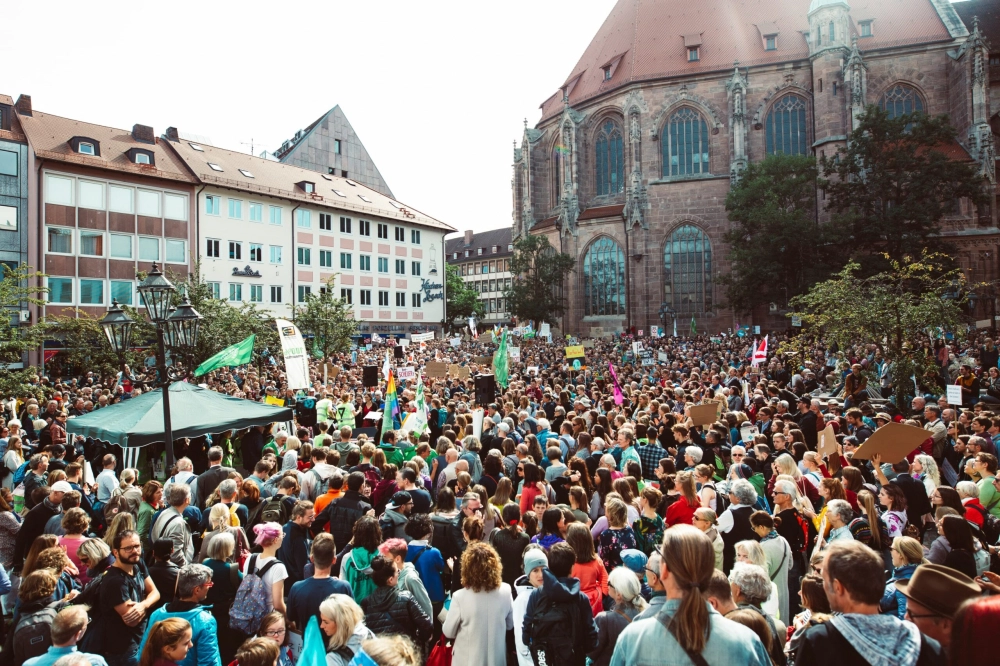
- Participating in protests or campaigns
- Engaging in public discussions and civic organizations
Large political organizations like the United Nations also shape global political cooperation and diplomacy.
Politics in the Modern World
Modern politics is increasingly influenced by globalization, technology, and media. Social media platforms such as X (Twitter) and Facebook have changed how politicians communicate with citizens and how political movements spread.
Major global issues—including climate change, economic inequality, and international security—require cooperation between governments and organizations worldwide.
Conclusion
Politics is a fundamental part of human society. It shapes laws, public policies, and international relationships that influence people’s daily lives. Understanding politics helps citizens participate more effectively in democratic processes and make informed decisions about their communities and future.